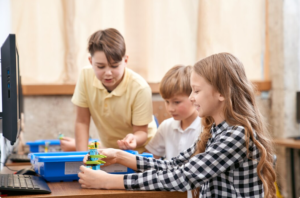
Finding the right educational path is an important decision for every family. As more parents seek flexible and personalized learning options, micro schooling near me has become a popular search for those looking beyond traditional classrooms. Small learning communities combined with individualized instruction provide students with opportunities to grow academically, socially, and emotionally in an environment designed around their unique needs. This educational approach continues to gain attention because it encourages curiosity, confidence, and lifelong learning.
Understanding the Growth of Microschooling
Microschooling is an educational model built around smaller class sizes and personalized instruction. Instead of placing students in large classrooms, microschools focus on creating meaningful relationships between teachers and learners.
This structure allows educators to spend more time understanding each student’s strengths, interests, and learning style. Lessons can be adjusted based on individual progress, helping students master concepts before moving forward.
The result is a learning experience that supports academic success while reducing unnecessary pressure often found in larger educational settings.
Personalized Learning for Every Student
Every child learns differently. Some students thrive through visual instruction, while others benefit from hands on activities or collaborative discussions.
Microschools recognize these differences and create customized learning plans that encourage steady progress. Teachers monitor development closely and provide additional support whenever needed.
This personalized attention helps students gain confidence because they are learning at a pace that matches their abilities rather than trying to keep up with a standard classroom schedule.
Benefits of Small Class Sizes
Smaller classrooms provide several advantages for both students and teachers.
Some of the most valuable benefits include:
- Individual attention from educators
- Stronger student participation
- Better communication with families
- Increased classroom engagement
- Improved academic performance
- Greater confidence during discussions
- Reduced classroom distractions
Students often feel more comfortable asking questions and participating in activities when surrounded by a smaller group of peers.
Learning Through Real World Experiences
Modern education extends beyond textbooks. Microschools frequently include project based learning, creative assignments, science experiments, technology integration, and collaborative problem solving.
Students may research local issues, build presentations, complete engineering challenges, or participate in community service projects that connect classroom lessons with everyday experiences.
These opportunities help learners understand how academic knowledge applies to real situations while developing valuable life skills.
Flexible Education for Modern Families
Many families appreciate educational programs that adapt to changing schedules and personal goals.
Microschools often provide greater flexibility than traditional schools, allowing students to balance academics with athletics, music, arts, travel, or specialized interests.
This flexibility creates a healthier educational experience while maintaining high academic expectations.
Parents also enjoy having greater involvement in their children’s education through regular communication and collaborative planning.
Building Independence and Leadership
Successful learners need more than strong grades. They also require the ability to think independently, solve problems, and communicate effectively.
Microschools encourage students to take ownership of their learning by setting goals, managing assignments, and reflecting on their progress.
These experiences help students develop:
- Critical thinking
- Leadership skills
- Time management
- Collaboration
- Responsibility
- Creativity
- Decision making
These qualities prepare learners for higher education and future careers.
Supporting Social and Emotional Growth
Healthy relationships play an essential role in student success. Smaller learning environments allow educators to build strong connections with every student.
Teachers can identify challenges early, provide encouragement, and create a supportive atmosphere where students feel comfortable expressing ideas and asking for help.
Students also develop meaningful friendships through collaborative activities and shared learning experiences.
A positive emotional environment often leads to stronger academic performance and improved self confidence.
The Value of Homeschool Partnerships
Many families combine the flexibility of homeschooling with the structure and community provided by microschools.
This partnership allows students to enjoy individualized education while participating in group projects, discussions, enrichment activities, and social experiences that strengthen communication skills.
Parents benefit from educational guidance while maintaining an active role in their child’s learning journey.
The combination creates a balanced approach that supports both academic achievement and personal growth.
Preparing Students for Lifelong Success
Education should prepare students for an ever changing world. Microschools focus on developing adaptable learners who are capable of solving problems, thinking creatively, and working effectively with others.
By encouraging curiosity and independent learning, these educational communities help students build confidence that extends beyond the classroom.
Graduates often leave with strong academic foundations along with the personal skills needed to succeed in college, careers, and everyday life.
Conclusion
Choosing the right educational environment is one of the most important decisions families can make. Smaller learning communities provide personalized instruction, meaningful relationships, and flexible opportunities that support every stage of student development. Parents exploring innovative educational options should carefully evaluate programs that align with their child’s goals and learning style. For families interested in combining personalized instruction with home based education, longwood homeschool programs can provide valuable support while helping students achieve lasting academic and personal success.