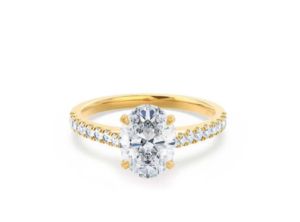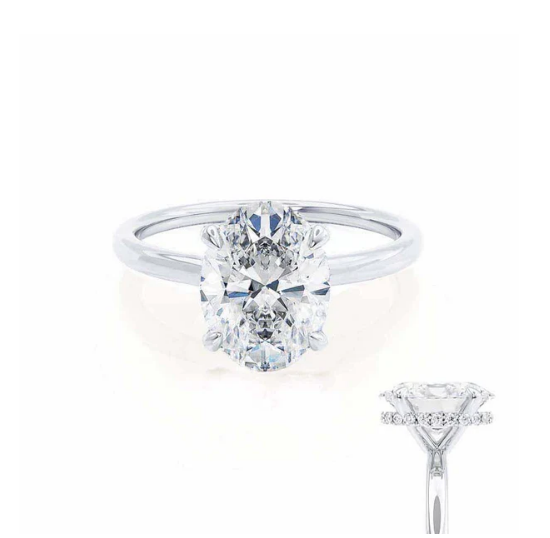
Symbolism has long shaped the way people communicate ideas, and its influence is especially visible in creative fields. In the world of contemporary aesthetics, symbolism plays a powerful role in transforming ordinary objects into meaningful expressions of identity. Whether found in artwork, architecture, fashion or jewelry from brands like lily arkwright, symbolic elements help deepen emotional connection and elevate the experience of design and personal style.
At its core, symbolism allows designers to embed layers of meaning within visual or material forms. A simple shape, motif or pattern can represent abstract concepts such as love, strength or transformation. When these elements are incorporated thoughtfully, they introduce storytelling into the design process. This storytelling quality enriches the final product by creating an emotional bridge between the creator and the viewer.
In interior and product design, symbols often guide mood, atmosphere and function. A geometric pattern may communicate structure and clarity, while organic motifs evoke growth and harmony. Colors themselves carry symbolic weight. Designers use these associations to shape the feelings of a space without needing to explain them explicitly. For example, blue may instill calm, while gold suggests grandeur. When these choices are intentional, the environment begins to resonate with deeper purpose, making symbolism an essential tool for shaping user experience.
Personal style also becomes far more expressive when symbolism is part of the equation. Accessories, clothing details and color palettes often serve as coded messages about personality and values. People naturally gravitate toward symbols that represent their beliefs, memories or aspirations. A pendant representing guidance, a pattern symbolizing heritage or a particular gemstone associated with clarity can become meaningful additions to one’s everyday look. These symbolic details allow personal style to move beyond aesthetics and reflect inner narratives.
Jewelry offers one of the clearest examples of how symbolism enriches both design and self-expression. Rings, necklaces and earrings often become carriers of sentimental meaning. Designers carefully select shapes, stones and materials to reflect themes such as unity, protection or renewal. When someone chooses a piece for its symbolism, it becomes more than an accessory. It becomes a personal emblem infused with intention. This connection is one reason symbolic jewelry remains timeless across cultures and generations.
In fashion, symbolism also influences the evolution of trends. Designers frequently draw from cultural symbols, historical references and natural elements to create collections that feel connected to a larger story. Even subtle symbolic influences can shift how a collection is perceived. A line inspired by lunar cycles might use soft curves and reflective fabrics to evoke mystery and change, enriching the wearer’s experience by linking the garment to a greater concept.
Symbolism’s impact extends to how people interpret and appreciate the objects around them. A design enriched with symbolic meaning encourages reflection and invites deeper engagement. People often form stronger attachments to items that represent something significant. These attachments enhance the longevity of both design and personal style, helping individuals develop a more thoughtful and intentional relationship with the things they choose to surround themselves with.
Ultimately, symbolism transforms design from something seen into something felt. It gives personal style the power to communicate without words and encourages designers to think not only about form but about meaning. By infusing objects with symbolic depth, both creators and wearers gain the ability to tell stories, express identity and cultivate beauty that resonates on a more profound level.