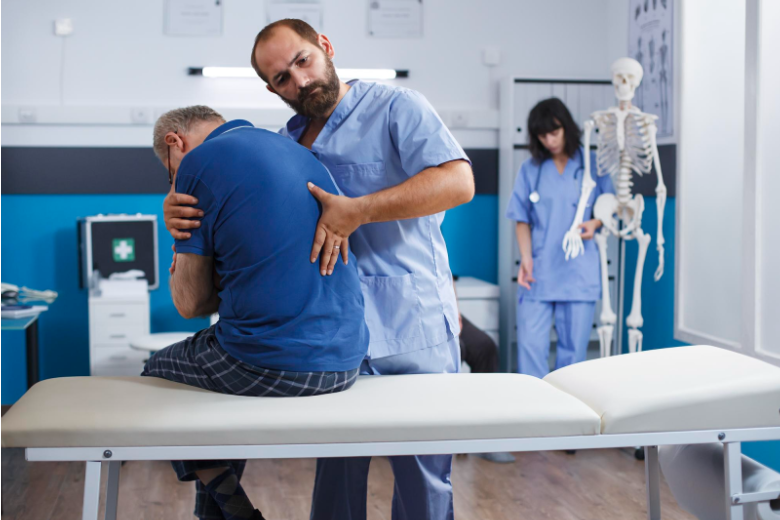
The field of orthopedic surgery specializes in treating all medical conditions that affect bones, joints, muscles, ligaments and tendons. People experience pain, stiffness, and restricted movement due to injuries and existing health problems.
The solution of orthopedic surgery becomes necessary when patients do not respond to the non-surgical treatment options of medication and physical therapy. The article outlines the main advantages of this surgery. This also offers basic recovery tips to support faster healing.
Benefits of Orthopedic Surgery
Here are a few reasons for orthopedic surgery:
1. Pain Relief
The long-term pain people experience results from conditions such as arthritis, joint damage, fractures, and spinal problems. Surgical procedures enable doctors to repair damaged body parts. This results in pain reduction or complete elimination of pain. Many patients experience improved comfort in their daily lives after recovery.
2. Improve Mobility
Patients who experience joint issues in their knees, hips, shoulders, and spine face challenges. These challenges limit their ability to perform common daily activities. Patients who undergo orthopedic surgery regain their ability to move freely through walking, bending, lifting and other movements. This improvement helps people return to normal activities and maintain independence.
3. Quality of life
Difficulty with mobility affects quality of life, so this surgery improves it. People who experience reduced pain and improved mobility will regain the ability to participate in social activities. They also enable them to run and practice their hobbies. Improvements in physical health lead to better mental health outcomes for people who experience these changes.
5 Tips for Faster Recovery After Orthopedic Surgery
Here are simple tips for faster recovery after orthopedic surgery:
1. Follow Your Doctor’s Instructions
The most essential requirement for faster recovery is following all your doctor’s instructions. Patients must take their prescribed medications at specific times. Also, manage their surgical wounds properly, and attend all scheduled medical evaluations. Patients who skip regular checkups may experience slower healing and new health problems.
2. Start Physical Therapy as Recommended
Physical therapy plays a key role in recovery. The body needs fundamental exercises that help people regain strength and flexibility, as well as basic body movements. People can achieve better results by following a regular exercise schedule. They should adopt it even if their first workout is uncomfortable.
3. Eat Healthy and Stay Hydrated
A balanced diet supports the healing process. Protein-rich foods, together with vitamin-rich and mineral-rich foods, help the body repair tissues and strengthen bones. The body requires enough water to maintain normal functions. While adequate water intake helps reduce swelling.
4. Get Enough Rest
The body needs sleep after surgical procedures. Your body needs time to heal; therefore, you should not push yourself beyond your limits. Your body recovers faster with quality sleep, which also helps reduce inflammation.
5. Avoid Smoking and Alcohol
The process of healing gets delayed when people smoke, because this habit decreases blood circulation. Alcohol consumption creates problems for both medication use and recovery progress. People who stop using these substances will experience faster healing times. This also helps to decrease health problems.