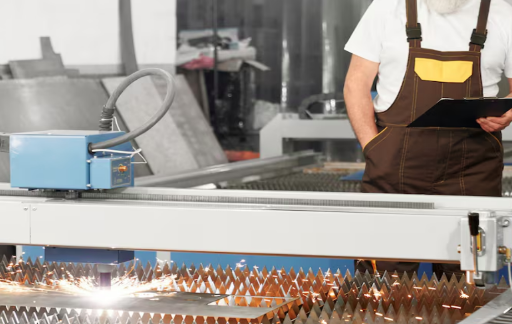
Optimizing established manufacturing workflows is essential for factories aiming to increase profit margins and stay competitive. Over time, even the most reliable production lines can develop subtle inefficiencies, material waste, and unnecessary operational friction.
By analyzing daily procedures, updating key mechanical components, and integrating modern fabrication machinery, companies can significantly boost throughput.
This article outlines strategic recommendations designed to modernize your existing factory workflows and achieve superior operational consistency.
Mapping and Analyzing the Current Production Floor
Before introducing major operational changes, managers must thoroughly document every step of the current manufacturing process. Visualizing the movement of raw materials and tracking labor hours helps pinpoint specific areas where delays frequently occur.
Identifying these precise logistical bottlenecks allows engineering teams to eliminate redundant tasks and rearrange machinery layouts for a smoother physical transition. This initial diagnostic phase creates a solid foundation for all future workflow improvements.
Securing High-Stress Equipment Joints with Flex Lock Nuts
Continuous machinery operation generates heavy vibrations that can gradually loosen standard industrial fasteners and disrupt automated workflows. Substituting traditional hardware with heavy-duty flex lock nuts in high-vibration areas ensures that critical machinery remains rigid.
These specialized locking elements maintain a constant, dependable grip despite intense mechanical stress and severe temperature shifts. Enhancing mechanical reliability with these fasteners dramatically reduces emergency repair stops, allowing automated assembly lines to run continuously.
Upgrading Processing Speeds with a Laser Metal Cutting Machine
Raw material preparation is often a major bottleneck when traditional mechanical saws or older shearing tools are used. Integrating a state-of-the-art laser metal cutting machine into your fabrication workflow eliminates these processing delays entirely.
This advanced machinery delivers exceptionally fast and mathematically precise cuts through dense alloys, reducing secondary finishing requirements. Accelerating the initial stages of material shaping ensures a rapid, steady supply of parts for the subsequent assembly teams.
Implementing Standardized Digital Work Instructions
Relying on outdated paper manuals or verbal instructions often introduces human error and creates variations in final product quality. Transitioning to centralized digital platforms allows operators to access identical, up-to-date work guidelines directly from floor terminals.
Standardizing these procedures across every shift ensures that all tasks are executed with uniform precision, regardless of personnel changes. Eliminating operational ambiguity keeps the production pace predictable and significantly minimizes material rejection rates.
Transitioning to a Predictive Maintenance Framework
Fixing production machinery only after a total breakdown occurs disrupts workflows and causes expensive, unscheduled factory downtime. Transitioning to a predictive maintenance model involves using smart diagnostic sensors to track component wear in real time.
Scheduling routine servicing based on actual machinery data allows technicians to replace worn belts or fluids during planned operational gaps. This proactive approach protects valuable corporate assets and prevents unexpected mechanical failures from halting production.
Cultivating a Culture of Continuous Floor Feedback
The employees working directly on the assembly line often possess the clearest insights into daily operational friction. Encouraging floor staff to report minor machinery glitches or safety hazards creates a highly responsive manufacturing environment.
Reviewing these worker suggestions regularly allows management to implement small, impactful adjustments to the daily routine. This collaborative approach fosters an adaptive workforce, ensuring that factory workflows are continuously refined for maximum efficiency.