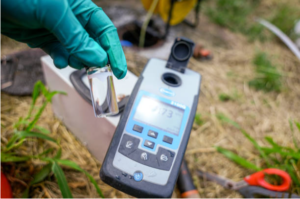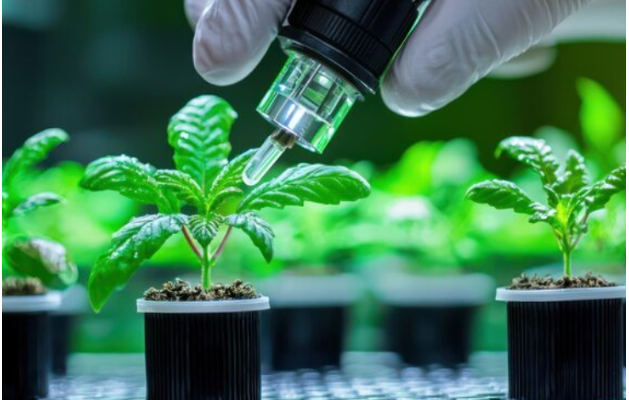
Modern agriculture is facing numerous challenges. Increasing populations, climate change, and limited natural resources are making it harder for farmers to produce enough food. Scientists and engineers are looking for innovative solutions to improve crop productivity and sustainability. One promising solution is nanotechnology. By using very tiny materials called nanoparticles, we can make farming more efficient and environmentally friendly. This article explores how nanotechnology in farming is transforming agriculture and what it means for the future.
Understanding Nanotechnology in Farming
Nanotechnology is the science of working with materials that are extremely small—so small that they are measured in nanometers, which is a billionth of a meter. In agriculture, nanotechnology can be applied in many ways. For example, nanoparticles can help deliver fertilizers and pesticides more effectively to plants. This means that plants get the nutrients they need faster and in the right amount. It also reduces waste and prevents harmful chemicals from polluting the soil and water.
Using nanotechnology in farming allows scientists to create smart systems that can detect plant diseases or soil problems early. These tiny sensors can monitor the health of crops and send information to farmers. This helps farmers make better decisions about irrigation, fertilization, and pest control. As a result, crops grow healthier, and food production becomes more efficient.
Improving Fertilizer and Pesticide Efficiency
One of the major problems in traditional farming is the overuse of fertilizers and pesticides. These chemicals can damage the environment and increase farming costs. Nanotechnology offers a solution by creating nano-fertilizers and nano-pesticides. These products are designed to release nutrients slowly and only when plants need them. This targeted approach ensures that crops absorb more nutrients and fewer chemicals are wasted.
Nano-pesticides work in a similar way. They can target specific pests without harming beneficial insects or the surrounding ecosystem. This reduces the environmental impact of farming and helps preserve biodiversity. By using these advanced materials, farmers can produce more food with fewer resources, which is a key goal of the next green revolution.
Enhancing Crop Protection and Growth
Nanotechnology in farming is also helping protect crops from diseases and harsh weather conditions. Scientists are developing nanoparticles that can fight bacteria, fungi, and viruses that harm plants. These particles are more effective than traditional chemicals and reduce the need for repeated spraying.
Additionally, nanoparticles can improve plant growth by enhancing photosynthesis or helping plants absorb water more efficiently. This is especially important in areas affected by drought or poor soil quality. By supporting healthier and stronger crops, nanotechnology contributes to higher yields and better food security.
Environmental Benefits of Nanotechnology in Agriculture
Another advantage of using nanotechnology in farming is its positive effect on the environment. Because nanoparticles are designed to work efficiently, they reduce chemical runoff into rivers, lakes, and soil. This helps prevent pollution and protects wildlife. Smart nanosensors also allow farmers to monitor soil health and water usage accurately, ensuring sustainable farming practices. By reducing waste and increasing efficiency, nanotechnology promotes eco-friendly agriculture.
Challenges and Future Prospects
Although nanotechnology offers many benefits, it is not without challenges. The safety of nanoparticles for humans, animals, and the environment must be carefully studied. Regulations and guidelines are needed to ensure responsible use. Moreover, the cost of nanotechnology-based products can be high, which may limit their adoption by small-scale farmers.
Despite these challenges, the potential of nanotechnology in farming is enormous. Researchers continue to develop new applications that are safer, affordable, and easy to use. As technology advances, nanotechnology could become a standard part of modern agriculture, driving a new era of sustainable food production.
Conclusion
Nanotechnology is paving the way for the next green revolution. By improving fertilizer and pesticide efficiency, enhancing crop protection, and supporting sustainable practices, nanotechnology in farming is helping farmers produce more food with fewer resources. While challenges remain, the future of agriculture looks promising with nanotechnology as a key tool. This innovative approach has the potential to transform farming, protect the environment, and ensure food security for generations to come.