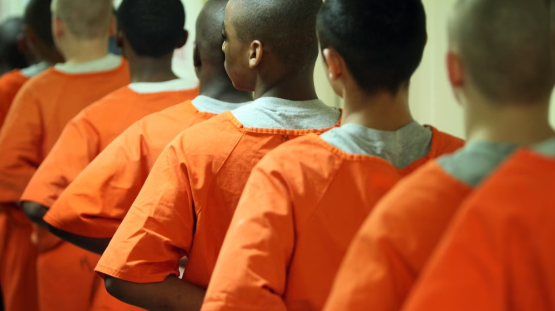
Juvenile rehabilitation plays an important role in helping young people who have broken the law to rebuild their lives. Instead of focusing only on punishment, rehabilitation programs aim to teach skills, responsibility, and positive behavior. These programs help teenagers understand the consequences of their actions while giving them tools to make better choices.
Supporting young offenders in this way benefits not just the individual but also the community, by reducing future crime and helping these youths become productive members of society.
Reduces Recidivism
One major advantage of juvenile rehabilitation is that it lowers the chances of repeat offenses. Many young people who commit crimes do so because of influences like peer pressure, family problems, or lack of guidance. Rehabilitation programs provide education, counseling, and mentorship that address these root causes.
When juveniles learn how to manage their behavior and make better decisions, they are less likely to commit crimes again. Communities also become safer when young offenders are guided toward positive paths instead of simply being punished and released without support.
Promotes Education and Skill Development
Juvenile rehabilitation programs focus on helping young people gain education and life skills. Many youths in the justice system have missed school or fallen behind academically. Rehabilitation centers provide tutoring, vocational training, and skill-building activities that prepare them for future jobs.
Learning new skills boosts confidence and encourages independence. When young people see opportunities for a better life, they are motivated to follow a law-abiding path. Education and skill development in rehabilitation programs give teenagers the tools they need to succeed once they return to society.
Supports Emotional and Mental Health
Many juveniles face emotional challenges, trauma, or mental health issues that contribute to their criminal behavior. Rehabilitation programs include counseling, therapy, and support groups that help youths process their emotions and cope with stress in healthy ways.
By addressing mental health needs, these programs reduce the risk of future criminal behavior. Young people learn how to control anger, solve problems peacefully, and communicate effectively.
Strengthens Family Relationships
Another benefit of juvenile rehabilitation is that it encourages stronger connections with family members. Programs often involve family therapy or regular visits that teach parents and guardians how to provide guidance and support. Many young offenders struggle because of weak family bonds or conflict at home.
By improving communication and understanding within the family, rehabilitation helps create a stable environment that reduces the likelihood of further offenses. Strong family support also gives young people confidence and motivation to make positive changes in their lives.
Encourages Social Responsibility
Juvenile rehabilitation teaches young people to take responsibility for their actions and contribute positively to society. Programs include community service, teamwork exercises, and lessons on ethics and law. These experiences help youths understand how their behavior affects others and build a sense of accountability.
When young people develop a sense of social responsibility, they are more likely to make choices that benefit themselves and their communities. Rehabilitation encourages a mindset focused on growth, respect, and positive contribution to society.
Conclusion
Juvenile rehabilitation offers many important benefits for young offenders and society as a whole. It reduces repeat crimes, promotes education and skill development, supports mental health, strengthens family relationships, and encourages social responsibility.
By focusing on guidance and support rather than punishment alone, these programs give young people a real chance to change their lives. Communities become safer and stronger when juveniles receive the tools they need to grow into responsible and capable adults.